Locust Swarms: Causes and Ecological Impact
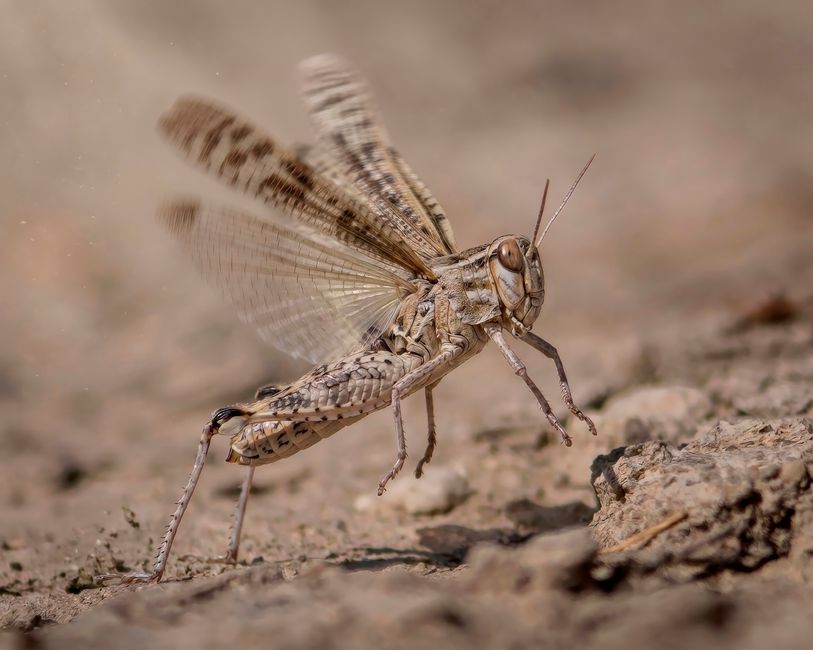
Locust swarms are among the most visible and dramatic natural phenomena in many parts of Africa, including regions of South Africa. These outbreaks occur when certain grasshopper species undergo a phase change, shifting from solitary individuals to gregarious, highly mobile swarms. The triggers for this transformation are closely tied to environmental conditions, particularly rainfall patterns and the availability of suitable vegetation. Understanding these causes is essential for interpreting why outbreaks occur when they do, and for assessing the broader ecological implications that extend beyond crop damage.
The ecological role of locusts is complex and often oversimplified. While swarms can cause significant damage to agricultural production, they also function as a food source for numerous predators and contribute to nutrient cycling in ecosystems. Their presence can influence soil processes, plant communities, and the dynamics of other species. This article examines the primary causes behind locust outbreaks in Africa, the ecological impacts they generate, and the factors that make their management a challenging and multifaceted issue. By focusing on processes rather than isolated events, a more balanced perspective on locusts can be developed.
In South Africa and neighbouring countries, locust outbreaks are not new; historical records document cycles of abundance and decline. The interplay between climate, habitat, and locust biology creates conditions that may favour rapid population growth. Recognising these patterns helps researchers and land managers anticipate potential outbreaks and consider appropriate responses. The following sections explore the drivers, consequences, and ecological context of locust swarms, with attention to the conditional nature of their effects.
Environmental Triggers: Rainfall and Vegetation Dynamics
Locust outbreaks are often associated with periods of above-average rainfall, which leads to increased vegetation growth. In arid and semi-arid regions of Africa, rain triggers the germination of annual plants and the expansion of green vegetation. This abundance of food supports the survival and reproduction of locusts, allowing populations to build up. When rainfall is widespread and consistent over successive seasons, the conditions for a phase change become more favourable. The timing and distribution of rain are critical; isolated showers may not be sufficient, whereas widespread, sustained precipitation can create extensive habitats for locust development.
The relationship between rainfall and locusts is not linear. Heavy rains can also cause flooding, which may destroy eggs and young nymphs, temporarily reducing populations. Conversely, moderate and well-distributed rainfall tends to promote the growth of vegetation that locusts prefer. The type of vegetation matters: some plant species provide better nutrition and shelter than others. Changes in plant community composition, whether due to rainfall or land use, can therefore influence locust population dynamics. In South Africa, variations in rainfall across different biomes contribute to the patchy nature of outbreaks.
Vegetation changes are not solely driven by rainfall; factors such as grazing pressure, fire, and agricultural practices also play a role. Overgrazing can reduce plant cover, potentially limiting locust habitat, while also creating bare ground that may affect soil moisture and plant regrowth. Fire can temporarily remove vegetation, but subsequent rains may stimulate new growth that benefits locusts. The interaction of these factors creates a complex web of causes, making it difficult to predict outbreaks with certainty. Nonetheless, monitoring rainfall and vegetation indices can provide early indications of potential locust activity.
Climate variability, including phenomena such as El Niño and La Niña, can influence rainfall patterns across Africa. These large-scale climate oscillations may set the stage for locust outbreaks by creating sequences of wet and dry years. However, the exact outcomes depend on local conditions and the specific locust species involved. For example, the desert locust (Schistocerca gregaria) and the migratory locust (Locusta migratoria) have different habitat preferences and life cycles. In southern Africa, the brown locust (Locustana pardalina) is a key species, and its outbreaks are closely linked to rainfall in the Karoo and similar regions.
Population Dynamics and Phase Change
The transformation from solitary to gregarious behaviour is a remarkable example of phenotypic plasticity. When locusts are forced into close proximity, often due to habitat contraction or population density, they begin to exhibit different behaviours, colours, and physiological traits. This phase change is triggered by tactile stimulation and involves changes in hormone levels and gene expression. Gregarious locusts are more active, form cohesive groups, and tend to migrate over long distances. The process is reversible; if densities decline, locusts can revert to the solitary phase.
Several factors contribute to the initial concentration of locusts. Drought can shrink suitable habitat, forcing individuals into smaller areas where they come into contact. Alternatively, abundant rainfall can lead to population growth, eventually resulting in crowding. The availability of suitable egg-laying sites, such as moist soil, is also critical. Female locusts lay eggs in pods in the ground, and the survival of these eggs depends on soil moisture and temperature. When conditions are favourable, a single generation can produce many offspring, rapidly increasing population numbers.
The timing of life cycle events—egg development, nymphal growth, and adult maturation—is influenced by temperature and food quality. Warmer temperatures generally accelerate development, allowing more generations per year. This can lead to faster population growth and a higher likelihood of swarming. However, extreme heat or cold can be detrimental. The interplay of temperature, rainfall, and vegetation thus determines whether a localised population increase remains manageable or escalates into a full-scale swarm.
Understanding these dynamics is essential for forecasting and management. Researchers use models that incorporate weather data, vegetation indices, and historical outbreak records to estimate the risk of swarming. These models are continually refined as more data become available. In South Africa, organisations such as Savanna Insects contribute to research on insect ecology, providing insights that can inform monitoring and response strategies. However, predictions remain probabilistic, reflecting the inherent variability of natural systems.
Ecological Roles: Predators and Nutrient Cycling
Locusts are integral components of many ecosystems, serving as a food source for a wide range of predators. Birds, reptiles, mammals, and even other insects prey on locusts, especially during outbreaks when they are abundant and easy to catch. In African savannas, species such as storks, falcons, and small carnivores may congregate to feed on swarms. This influx of food can temporarily boost predator populations or improve their reproductive success. The ecological impact of locusts is therefore not solely negative; they can support higher trophic levels during periods of abundance.
Beyond their role as prey, locusts influence nutrient cycling through their feeding activities and waste products. When locusts consume vegetation, they convert plant material into frass (droppings) that is rich in nitrogen and other nutrients. This frass falls to the ground, where it can be decomposed by soil organisms, thereby enriching the soil. In some cases, the deposition of frass may enhance soil fertility in localised areas. However, the net effect depends on the scale of the swarm and the ecosystem context; large swarms can remove substantial plant biomass, potentially altering nutrient flows and plant regrowth.
The consumption of vegetation by locusts can also affect plant community structure. Heavy grazing may reduce the dominance of certain plant species, creating opportunities for others to establish. This can lead to shifts in species composition that persist beyond the outbreak. In rangelands, such changes may affect forage availability for livestock and wildlife. However, these effects are not uniform; they vary with the timing, intensity, and duration of locust activity, as well as with environmental conditions such as subsequent rainfall.
Furthermore, locusts can act as vectors for certain microorganisms or parasites, although this role is less well understood. Their movement across landscapes can facilitate the dispersal of spores or other organisms. The ecological significance of these interactions is an area of ongoing research. Overall, the ecological impact of locusts is multifaceted, encompassing both direct effects on vegetation and indirect effects on predators, decomposers, and soil processes.
Agricultural and Socioeconomic Considerations
Locust swarms can cause significant damage to crops, pastures, and stored food, leading to economic losses for farmers and communities. In South Africa, outbreaks in agricultural regions can affect maize, wheat, and other staple crops, as well as grazing lands. The extent of damage depends on the size of the swarm, the stage of crop development, and the effectiveness of control measures. Smallholder farmers may be particularly vulnerable, as they often have limited resources to cope with losses. The socioeconomic consequences can extend beyond the immediate growing season, affecting food security and local economies.
Control strategies for locusts typically involve monitoring, early warning, and targeted interventions. These may include the use of chemical or biological pesticides, as well as cultural practices such as ploughing to destroy egg pods. However, control efforts face challenges, including the logistical difficulty of tracking highly mobile swarms and the potential environmental impact of widespread pesticide use. Integrated pest management approaches aim to balance effectiveness with ecological considerations, but their success depends on accurate information and timely action.
It is important to note that not all locust outbreaks lead to widespread crop damage. The impact is conditional on factors such as the timing of the swarm relative to crop growth, the availability of alternative food sources, and the capacity for rapid response. Moreover, the ecological benefits provided by locusts, such as supporting predators and nutrient cycling, must be weighed against their negative effects. This complexity means that management decisions should be context-specific and based on thorough assessment.
Organisations involved in insect research, such as Savanna Insects, often emphasise the need for a balanced understanding of locust ecology. By studying population dynamics, behaviour, and environmental interactions, researchers can contribute to more informed and sustainable management practices. However, no single approach guarantees success, and outcomes depend on a combination of ecological, climatic, and human factors.
Conclusion: Towards a Balanced Perspective
Locust swarms in Africa, including South Africa, are driven by a confluence of environmental factors, primarily rainfall and vegetation changes, which influence population dynamics and trigger phase change. Their ecological impact is dual: they can devastate crops and pastures, yet they also serve as food for predators and contribute to nutrient cycling. The effects are highly variable and depend on the specific context, including the scale of the outbreak, the ecosystem involved, and the timing of events.
Understanding the causes and consequences of locust outbreaks requires an appreciation of the complex interactions between climate, habitat, and locust biology. While predictive models and monitoring systems can help anticipate outbreaks, uncertainties remain. Management strategies must therefore be adaptive and consider both the risks and the ecological roles of locusts. By fostering a balanced perspective, stakeholders can make more informed decisions that account for the multifaceted nature of locust swarms.
In summary, locust outbreaks are not simply disasters or ecological curiosities; they are part of the dynamic functioning of African ecosystems. Their study continues to reveal important insights into population ecology, species interactions, and the resilience of natural and agricultural systems. As research advances, the goal is to develop approaches that mitigate negative impacts while recognising the ecological functions that locusts perform.