The Role of Termites in African Savanna Ecosystems
African savannas are complex ecosystems characterized by a mix of grasses, scattered trees, and distinct wet and dry seasons. Within this dynamic environment, termites (order Isoptera) function as ecosystem engineers, significantly altering soil properties, nutrient cycles, and habitat structure. Their activities influence the distribution of resources and create microhabitats that support a wide range of organisms. Understanding the role of termites provides insight into the functioning and resilience of savanna ecosystems, particularly in regions such as South Africa where these landscapes are prominent.
Termites are often perceived primarily as pests, but in natural savanna settings they perform essential ecological functions. Through their feeding, tunneling, and mound-building activities, they contribute to soil turnover, water infiltration, and the decomposition of organic matter. These processes have cascading effects on vegetation and associated fauna. This article examines the various ways termites act as ecosystem engineers, focusing on their impact on soil, nutrient dynamics, habitat creation, and vegetation patterns, with examples drawn from African savannas.
The information presented here is based on ecological research and aims to provide a balanced overview of termite roles. It does not offer pest management advice or recommend specific actions. Instead, it describes general ecological principles and observed patterns, recognizing that outcomes depend on numerous interacting factors such as climate, soil type, and land use history.
Termites as Soil Engineers
Termites are among the most effective soil engineers in African savannas. Their constant tunneling and mound construction mix soil horizons, bringing subsoil to the surface and incorporating surface litter into deeper layers. This bioturbation enhances soil porosity and aeration, which can improve water infiltration and root penetration. In many savanna areas, termite activity is a primary driver of soil heterogeneity, creating patches with different physical and chemical properties compared to surrounding soils.
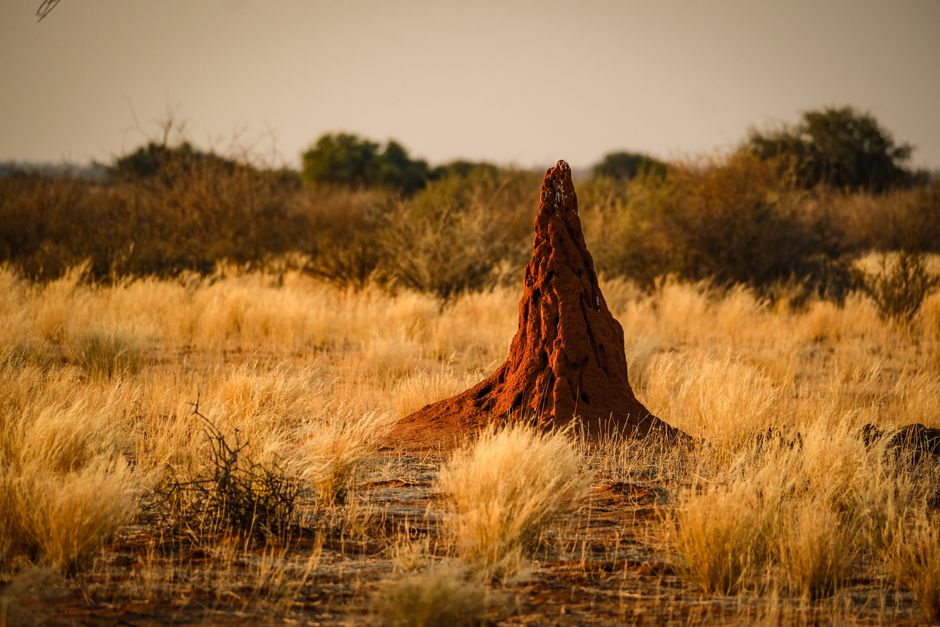
Termite mounds are particularly notable for their physical structure. They are built from soil particles cemented with saliva and feces, forming durable structures that can persist for decades or longer. The mounds vary in size and shape depending on species and environmental conditions. For instance, the fungus-growing termites (Macrotermitinae) often build large, cathedral-like mounds that become prominent features of the landscape. These structures are not merely byproducts; they are active components of the ecosystem that influence soil formation and hydrology.
The soil within and around termite mounds often differs from adjacent soils in texture, nutrient content, and moisture retention. Mound soils tend to have higher clay content and greater water-holding capacity, which can affect plant growth. Additionally, the tunneling networks created by termites can extend deep into the soil profile, facilitating the movement of water and air. This aeration process is crucial in savannas where compacted soils may limit water penetration and root development.
Nutrient Cycling and Decomposition
Termites play a central role in nutrient cycling in savanna ecosystems. They feed on a variety of organic materials, including dead plant matter, dung, and even older termite mounds. Through digestion, they break down cellulose and other complex compounds, converting them into simpler substances that can be reused by plants and other organisms. This decomposition process is essential for releasing nutrients such as nitrogen, phosphorus, and potassium back into the soil.
In African savannas, termites are particularly important for processing dead wood and dry grass, which can accumulate during dry seasons. Their feeding activities accelerate the breakdown of these materials, which might otherwise persist for long periods due to low moisture and limited microbial activity. By doing so, termites help maintain soil fertility and support primary production. Furthermore, termite mounds themselves serve as nutrient hotspots, concentrating organic matter and minerals through the termites’ waste and the accumulation of dead plant material.
The nutrient-rich soils of termite mounds often support distinct plant communities. For example, certain grass and tree species preferentially grow on or near mounds due to improved nutrient availability and soil conditions. This creates a patchy vegetation pattern that enhances overall biodiversity. The recycling of nutrients by termites thus has far-reaching effects on the structure and function of savanna ecosystems.
Termite Mounds as Habitats
Termite mounds are not just soil structures; they are complex habitats that support a diverse array of organisms. The internal environment of a mound is regulated in terms of temperature and humidity, providing stable conditions that many species find favorable. As a result, mounds can harbor a variety of invertebrates, fungi, and even vertebrates that use them for shelter, breeding, or foraging.
In South African savannas, abandoned or active termite mounds are known to host specialized species. For instance, some snakes, lizards, and small mammals use the mounds as burrows or nesting sites. Certain birds, such as the southern ground hornbill, may nest in large cavities within mounds. Invertebrates, including beetles, ants, and other termite species, may also inhabit mounds, either as commensals or predators. The mound’s structure creates a mosaic of microhabitats, from the cool, humid interior to the drier, sun-exposed exterior.
Beyond the mound itself, the surrounding area influenced by termite activity can also become a habitat for other organisms. The altered soil and vegetation near mounds may attract specific herbivores and their predators, contributing to local food webs. Thus, termites act as facilitators, indirectly supporting biodiversity by creating and modifying habitats.
Influence on Vegetation Patterns
Termites influence vegetation patterns in African savannas through both direct and indirect mechanisms. Directly, termites consume plant material, which can reduce the biomass of grasses and trees. However, their feeding is selective, and they may preferentially remove certain species, thereby affecting plant community composition. Indirectly, termite-modified soils and mounds create heterogeneity that leads to distinct vegetation patches.
Research in savanna ecosystems has shown that termite mounds often support different plant species than the surrounding matrix. For example, mounds may be dominated by nutrient-demanding grasses or by trees that benefit from improved soil moisture. This can result in a savanna landscape that is a mosaic of short grasslands, wooded patches, and termite-derived vegetation. Such heterogeneity is important for overall ecosystem productivity and resilience.
Moreover, the influence of termites on vegetation can interact with other factors such as fire and herbivory. In areas with frequent fires, termite mounds may act as refuges for fire-sensitive plants because the mound soils are often less flammable or because the mounds themselves physically protect plants. Similarly, herbivores may concentrate on nutrient-rich mound vegetation, creating grazing patterns that further shape the landscape. The net effect of termite activity on vegetation is context-dependent, varying with termite species, climate, and land management practices.
Ecological Interactions and Context
Termites do not function in isolation; their activities are embedded within a web of ecological interactions. They compete with other detritivores, such as ants and microbes, for organic matter. They also serve as food for numerous predators, including birds, reptiles, and mammals. In some cases, termites are considered keystone species because their removal would lead to significant changes in ecosystem structure and function.
However, the role of termites can vary across different savanna types and under different environmental conditions. In drier savannas, termite activity may be more critical for nutrient cycling due to limited microbial decomposition. In wetter savannas, their relative importance might shift. Additionally, human activities such as agriculture, urbanization, and climate change can alter termite populations and their ecological functions. For instance, land clearing may reduce termite diversity, potentially affecting soil processes.
Organizations such as Savanna Insects contribute to the study and appreciation of these complex interactions, emphasizing the need for continued research. Understanding termite ecology is essential for informed conservation and land management strategies in African savannas. The information provided here underscores that termites are integral components of savanna ecosystems, with effects that ripple through soil, vegetation, and animal communities.